


Water quality affects plant health, but different plants respond differently. Tap water is convenient, yet it often contains chlorine, chloramine and dissolved minerals that can build up in soil. Over time, some sensitive species may show leaf browning or slower growth as a result.
Filtered water helps reduce dissolved solids and chemicals, such as chlorine, that can affect the taste and smell of drinking water. That same reduction can benefit plants that prefer softer water or are more prone to leaf tip burn. While many hardy houseplants tolerate tap water well, filtered water offers a more consistent baseline when you’re caring for fussier varieties or want to minimise long-term build-up in pots.
So, switching to filtered water using our ZeroWater technology could be a simple way to give your plants more consistent water quality.
Why Is Water Quality Important for Plants?
Water quality is foundational to healthy plant growth. Tap water often contains chlorine, fluoride, and hard minerals, which may contribute to nutrient stress or slower growth in some plants if levels are high or build up in the soil over time.
- Chlorine is used to disinfect tap water, but at higher levels or with long-term use, it can stress the fine root hairs of some sensitive species. When roots are under stress, plants struggle to take up nutrients, and growth can slow.
- Hard water is high in calcium and magnesium, and it can leave mineral deposits in the soil and on pot surfaces. Over time, this build-up may change soil structure and affect how easily water moves around the root zone, particularly in containers.
- Heavy metals, such as lead from older plumbing systems, may also be present in small amounts depending on local water quality and can gradually build up in the soil.
Filtered water can help reduce these risks and create a more stable growing environment, especially in hard-water or highly chlorinated areas. With fewer unwanted chemicals and excess dissolved minerals to deal with, roots can focus on drawing up water and nutrients more effectively.
How Filtered Water Helps Your Plants Grow Stronger & Faster
By removing many of the additives found in tap water, filtered water can offer plants a gentler, more predictable supply of moisture.
This can lead to several knock-on benefits:
- With fewer chemicals present at the root surface, plants may be able to access the nutrients in their compost or soil mix more easily.
- Roots are less likely to become stressed by chlorine and other additives, helping them stay healthy and active for longer, especially in more sensitive species.
- Reduced mineral build-up can help soil stay more open and free-draining, supporting a better balance of air and moisture around the roots.
The result can be growth that looks more consistent. New leaves may appear more regularly, colours can look brighter, and plants may be better able to cope with changes in light or temperature.
Which Plants Can Benefit from Filtered Water?
Some plants are particularly sensitive to additives used to treat tap water. For example, the Royal Horticultural Society [1] notes that Stromanthe Triostar (a type of prayer plant) can be sensitive to fluoride and other common tap water treatments.
Filtered water is especially helpful for:
- Sensitive plants, such as Venus flytraps, orchids and bonsai trees, may benefit from filtered or low-mineral water, which can be gentler on their delicate roots than hard or heavily treated tap water.
- Houseplants like ferns, succulents and peace lilies can respond well to consistent, low-chemical water, particularly in areas with very hard or heavily chlorinated tap water.
- Indoor herbs and vegetables, such as basil, mint and salad greens, may grow more evenly when watered with filtered water, especially if your tap water is very hard or has a strong chlorine taste or smell.
Switching to filtered water can be one way to provide many types of plants with consistently clean water, alongside choosing the right soil, light, and feeding to help them flourish.
Long-Term Benefits of Filtered Water for Your Plants
The longer you use filtered water, the more noticeable the difference can become in some situations. Regular tap water, especially if it’s very hard, may gradually alter the structure and chemistry of the soil in a pot, making it harder for certain plants to thrive over time.
By contrast, filtered water can help:
- Less mineral build-up can mean the compost retains its structure for longer, supporting better drainage and aeration.
- With fewer chemicals to cope with, roots may stay healthier, and plants can be less prone to sudden wilting or yellowing, particularly in more sensitive species.
- Strong roots and steady nutrient uptake can make plants more adaptable to seasonal changes, repotting and moves around the home or garden.
Over months and years, this can add up to fuller pots, more reliable flowering and plants that look healthier and more vibrant.
Switch to Filtered Water for Healthier, Happier Plants
Switching to filtered water can be one of the simplest changes you make to support plant health, especially in hard-water or heavily treated areas. Tap water often contains treatment chemicals such as chlorine and trace levels of heavy metals from older plumbing. In some situations, these can contribute to stress at the root zone and may affect nutrient uptake in sensitive plants over time. By providing your plants with cleaner water that has reduced dissolved solids and treatment chemicals, you can help support healthier roots and more reliable nutrient uptake.
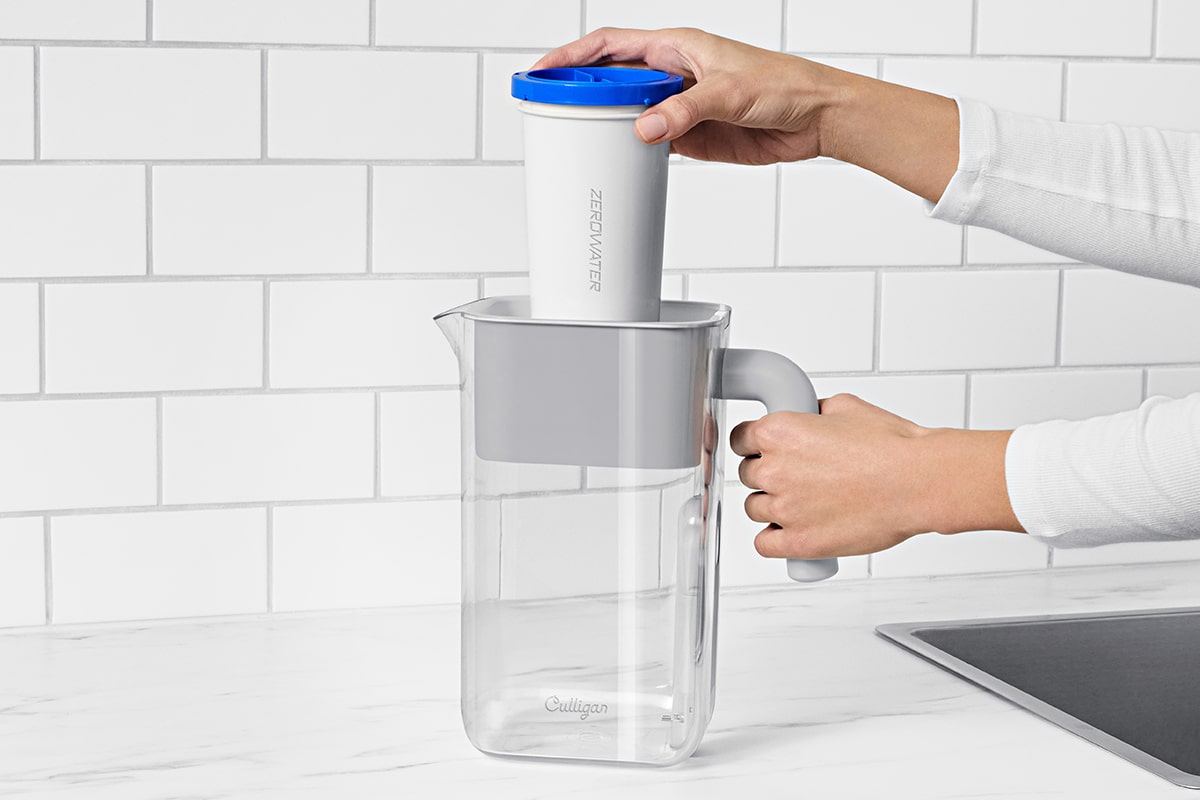
Culligan with ZeroWater Technology’s filtered water gives you an easy way to provide consistently low TDS water for you and your plants. Whether you’re caring for delicate orchids or growing a lively vegetable garden, it can help you manage dissolved solids and treatment chemicals more effectively. Over time, this may support stronger root systems, more resilient foliage and better overall plant condition, alongside the right soil, light and feeding.
Cleaner water starts at zero, and with Culligan’s positive Trustpilot reviews, you can trust every glass.
External References
[1] Royal Horticultural Society: https://www.rhs.org.uk/shows-events/rhs-urban-show/houseplant-profiles/houseplants-for-humidity
Make Your Home a Culligan Home
Recent Blog Articles
-
 Filtration Science
How Does Filtered Water for Plants Affect Growth & Health?
-
 Product Technology
How Does Culligan with ZeroWater Technology Work for Users?
-
 Product Science Technology
Inside the Testing Process That Makes ZeroWater So Reliable
-
 Contaminants Filtration
How to Identify & Remove Tap Water Contaminants Safely
-
 Health
What Are UK Water Quality Standards & Why Do They Matter?
-
 Guide
GuideWhat Is the Best Water Filter Jug to Buy for Home Use?
-
 Filtration Health
What’s Inside a ZeroWater Filter? Health Benefits Explained
-
 Product Guide
What Makes a Water Filter Pack Ideal for Growing Families
-
 Contaminants
What Are the Best Water Filters for Lead Removal in the UK
-
 FAQs Product Guide
How Do I Know When to Change My ZeroWater Filter? 5 Signs


